How I am Playing Better for Longer
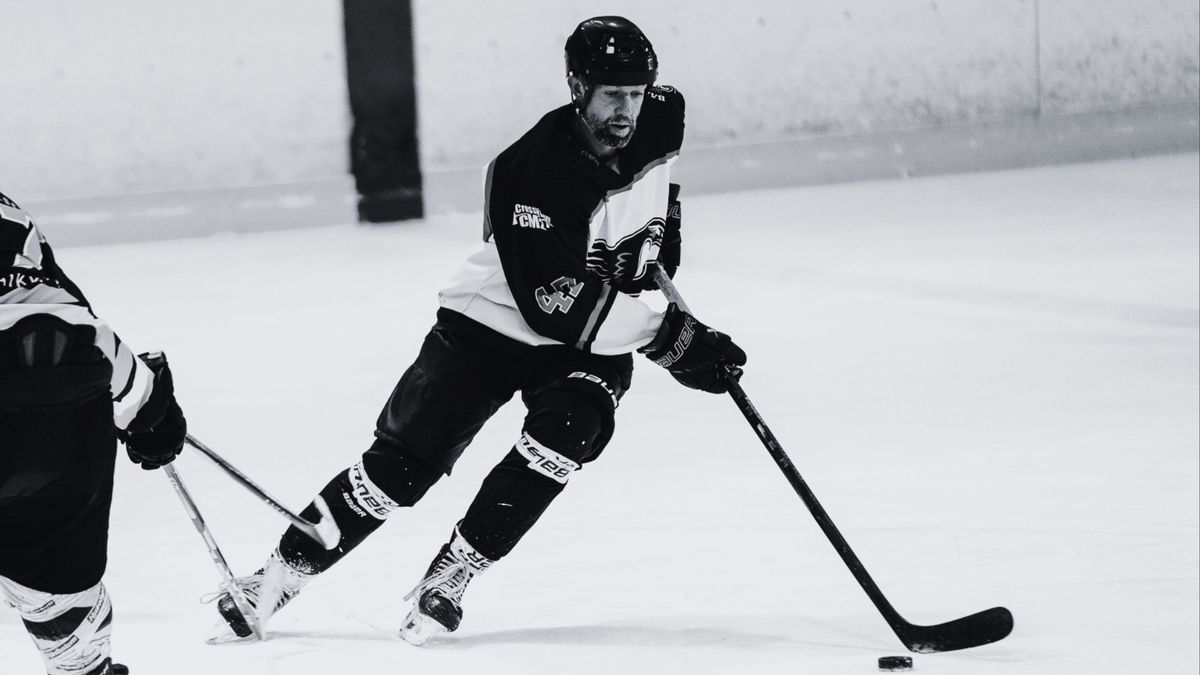
I've been playing hockey my whole life.
Eleven World Championships. A Pool B gold medal coaching Team GB, and this year, a Veterans World Champion with the Czech Republic.
And here's what I've noticed.
Players don't stop playing because their body finally gives out. That's not usually how it goes. They stop because nobody ever taught them how to look after the body that lets them keep playing. So one day the recovery takes a bit longer. Then a bit longer again. Then they miss a season with something that never quite heals right. Then they just... stop.
Nobody plans to quit hockey. It just gets harder to justify, one small injury at a time.
I'm not writing this from the outside looking in. I'm on the same road. I still play. I still have to figure out how to train around a life that doesn't leave much room for it — same as you probably do.
This isn't a program I finished and am now handing down. It's what I'm learning as I go, in real time, still playing the game I don't want to give up.
So what is this?
Play Better for Longer is for time-poor, amateur adult players who want to keep playing — not to get shredded, not to look like a bodybuilder, just to still be out there in ten years, moving the way you used to.
Because here's the real fear, if you're honest about it. It's not getting older. It's the day the game stops picking you. The day your legs, or your back, or your recovery, quietly vote you off the ice.
That day isn't inevitable. It's just uncontested, for most of us. Nobody's fighting for that extra decade. That's what this is for.
A few things this isn't:
- It isn't a fitness program that happens to be for hockey players. It's built the other way round — the training exists to serve the game, not replace it.
- It isn't built for people with 90 minutes a day and no job, no kids, no beer league schedule. Time is the real constraint here, not motivation. Everything has to fit inside a life, not instead of one.
- It isn't about managing decline gracefully. It's about extending a window that most people assume is already closing.
You don't need to train like a full-time athlete. You need to train like someone who still wants to be one — next season, and the one after that.
Over the coming months, I'll be writing about the three things I think this actually comes down to. Longevity — staying in the game for the long run. Skills — the on-ice game itself, staying sharp as a player. Mindset — how you think about your game, and being in flow.
More soon.
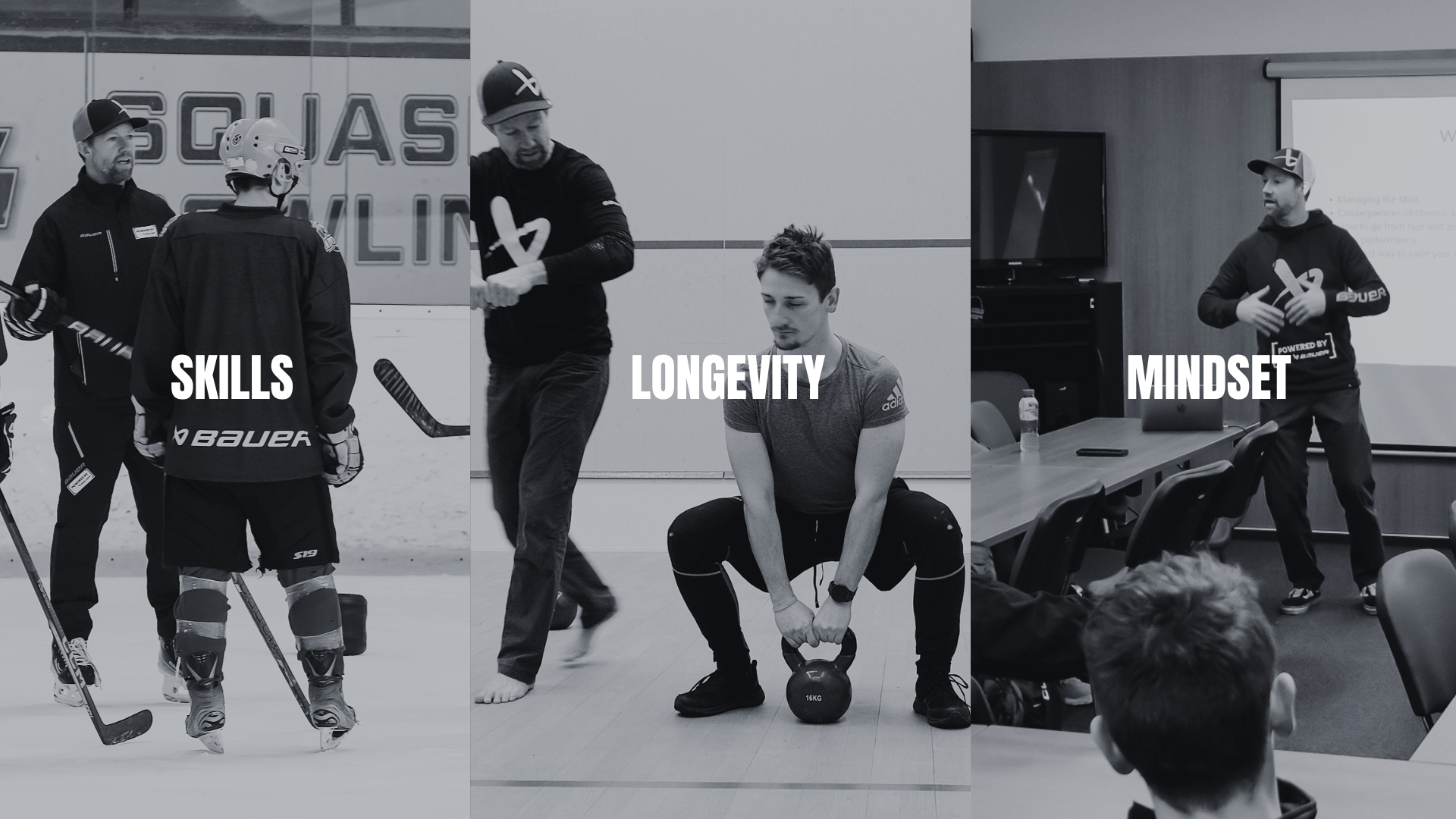
I'm teaching all of this at a camp this September — come join me.
A premium hockey experience for adult players who want to improve their skills, build a stronger mindset, and stay on the ice for years to come.
September 25–27, 2026 €495 • Full Board • Limited Places